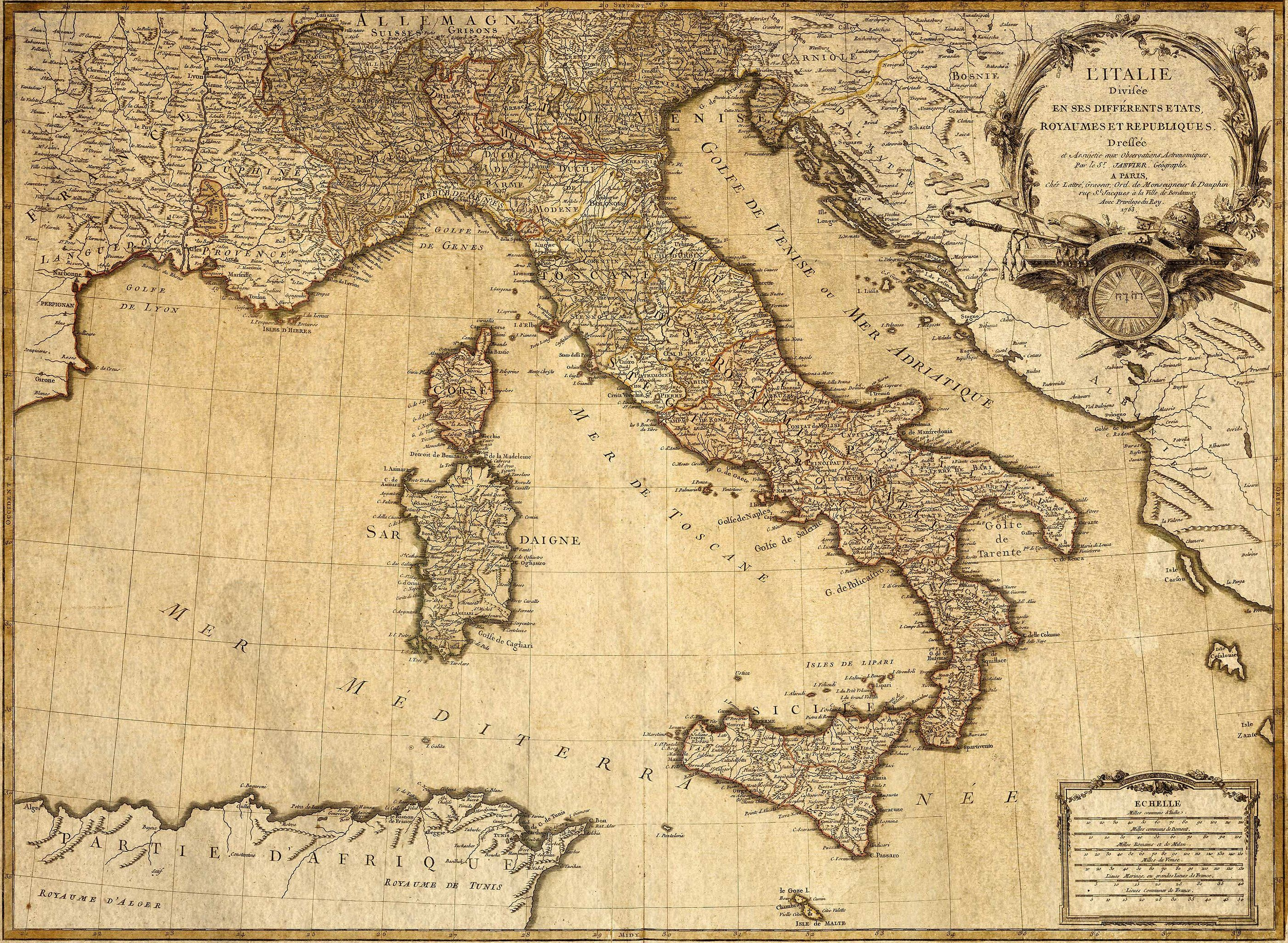


The outlier here is Moses who supposedly wrote Exodus and Genesis when he was roughly 150 years old. According to contemporary scholarship, both texts were written much later but I kept the traditional dating.
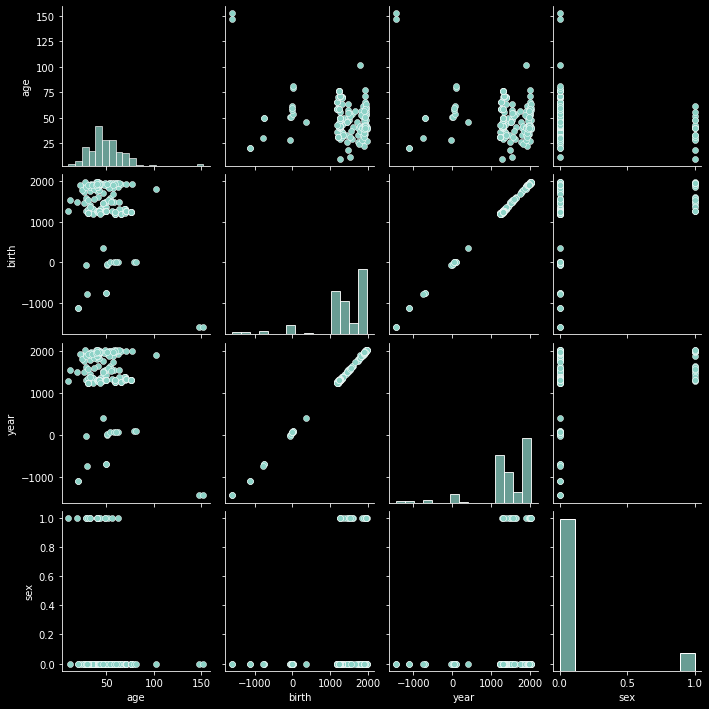

The graph shows the correlation between the age of the author at the time in which their canonical text was published and the year in which it was published. As the downward tendency shows, the average age of the authors included in the canon has decreased. Meanwhile, the gap around the 17th and early 18th century displays the bias of the canon against the cultural products of this century and the extent to which the Seicento has been largely ignored in such gatherings, perhaps under the influence of Alessandro Manzoni and Benedetto Croce’s negative assessment of this century.
Where are these 172 texts / their authors from? The great majority are from Northern Italy. Overall, there is a strong bias toward metropolitan centers exercising a hegemonic hold over the peninsula such as Rome (which appears 5 times) and Florence (7). In addition, the places were the authors are from often overlap with the settings of their work, but this is not always the case.
154 texts are authored by men, 18 by women.
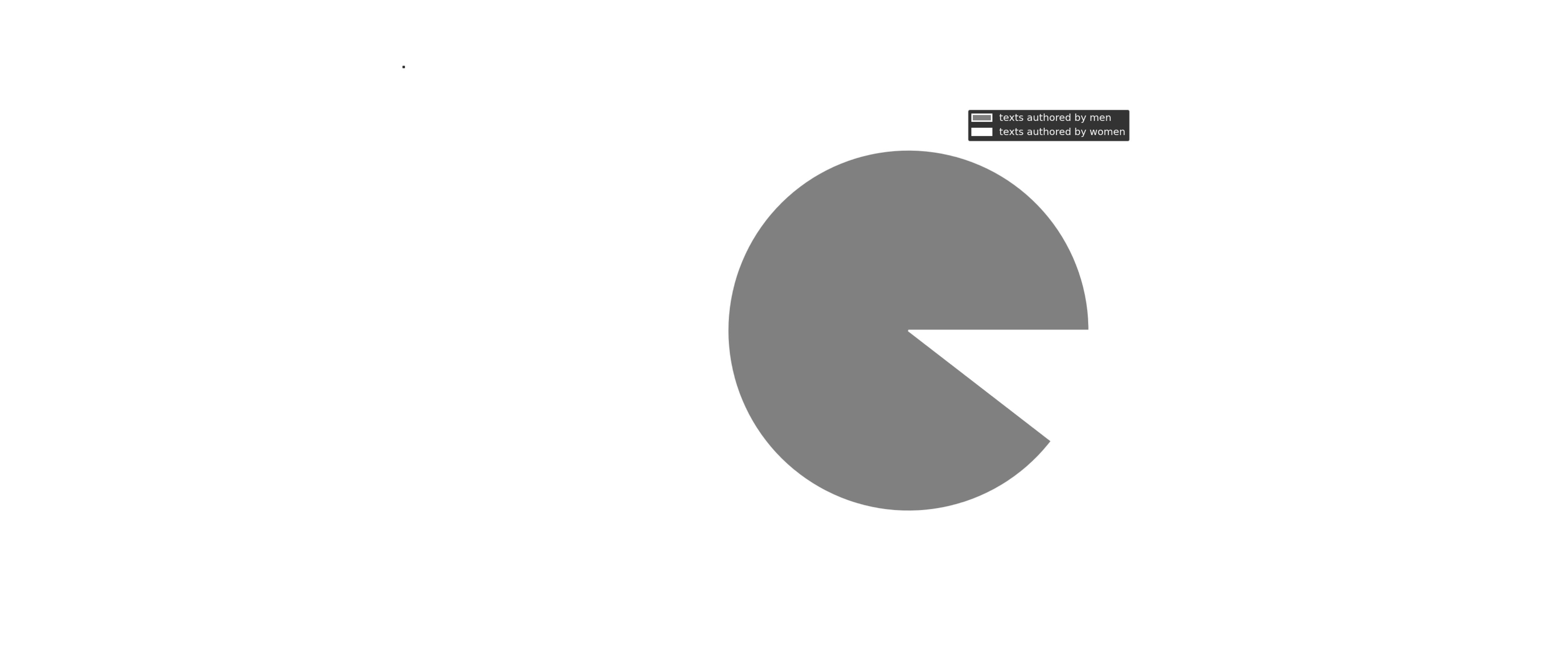
The Italian Women Writers database lists 794 authors on its website. The canon includes 18 texts authored by women. Meanwhile, the number of texts authored by men appearing in the canon is 153.
There is an inherent tension that emerges in this list between some of its members' positioning of themselves in dialogue with other authors to form an ahistorical republic of letters which conceives of itself as separate from the world (i.e. intellectual as vate), and the extent to which their ‘eternal’ works reflect their own embeddedness in the historical circumstances which they attempt to transcend. Indeed, there is always a temporal delay implicit in both literary and cinematic texts which separates the reader and the spectator from the text itself. As Gilles Deleuze argues, cinema is about time, or, perhaps, as Friedrich Kittler suggests, it is a means of time axis manipulation, storing a particular configuration of space in its development.
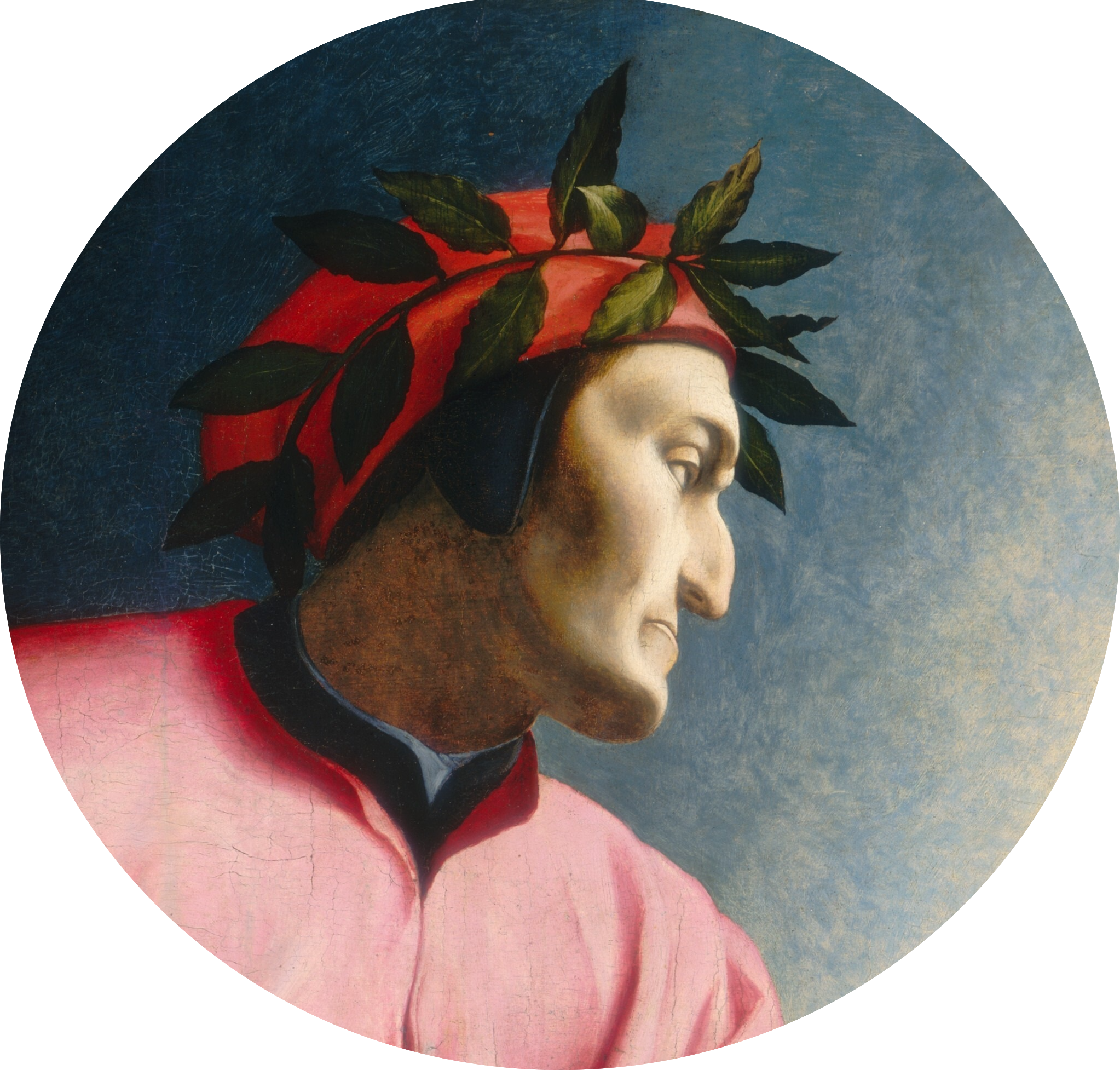
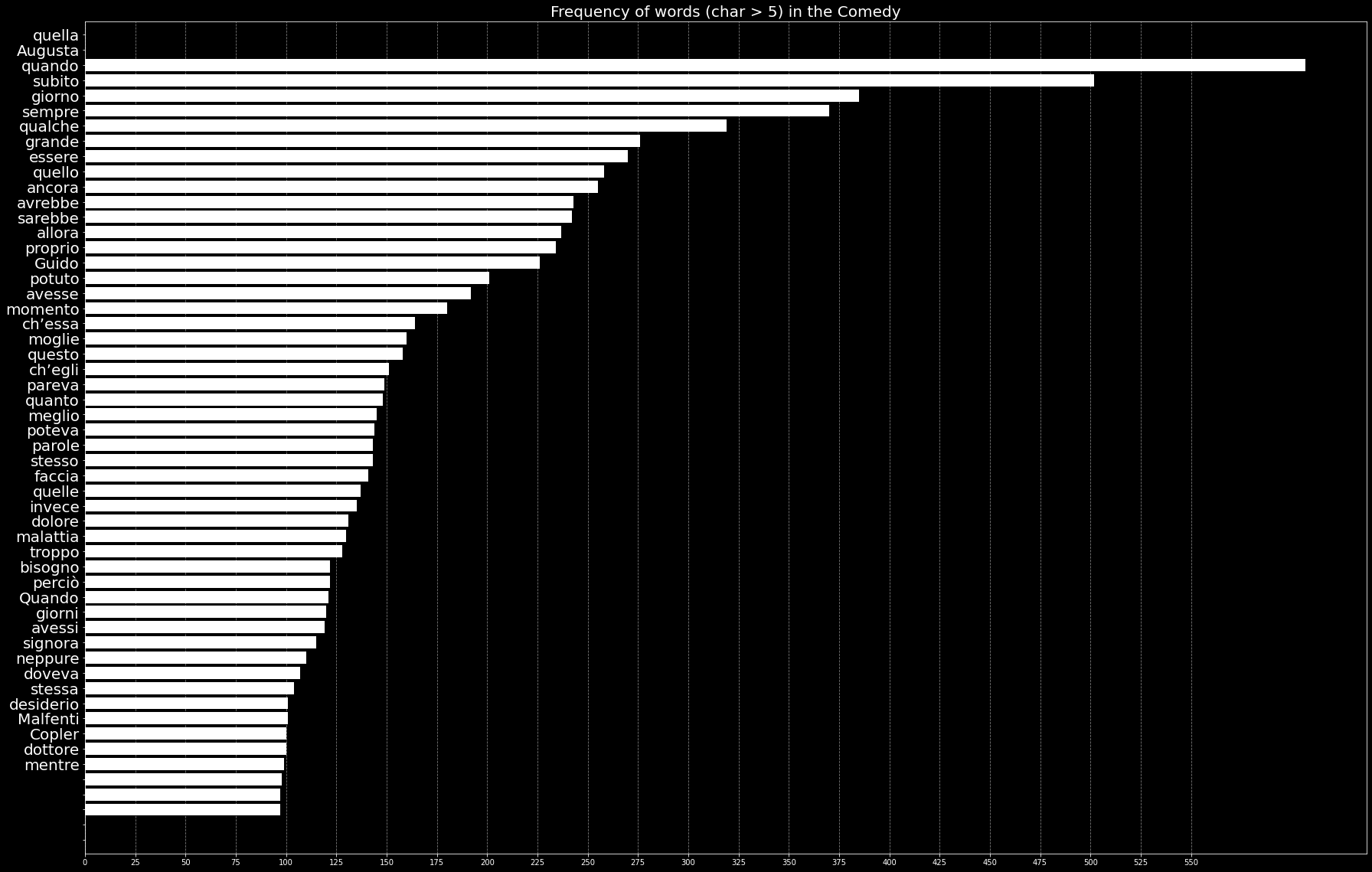
Dante's Comedy offers a highly allegorical vision of the afterlife. The text interweaves Christian theology and classical literature to probe man's journey through life and beyond through trashumanation in only 83134 words, 404488 letters, and 3785 sentences. The comedy's CL index is 11.461450670002641.
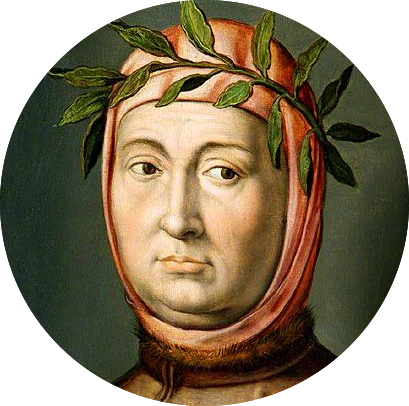
Following a failed Epic poem, Petrarch collects the fragments of his life in a collection of poems that is a life long endeavor: the Rerum Vulgari Fragmenta. Its CL index is 11.461450670002641.
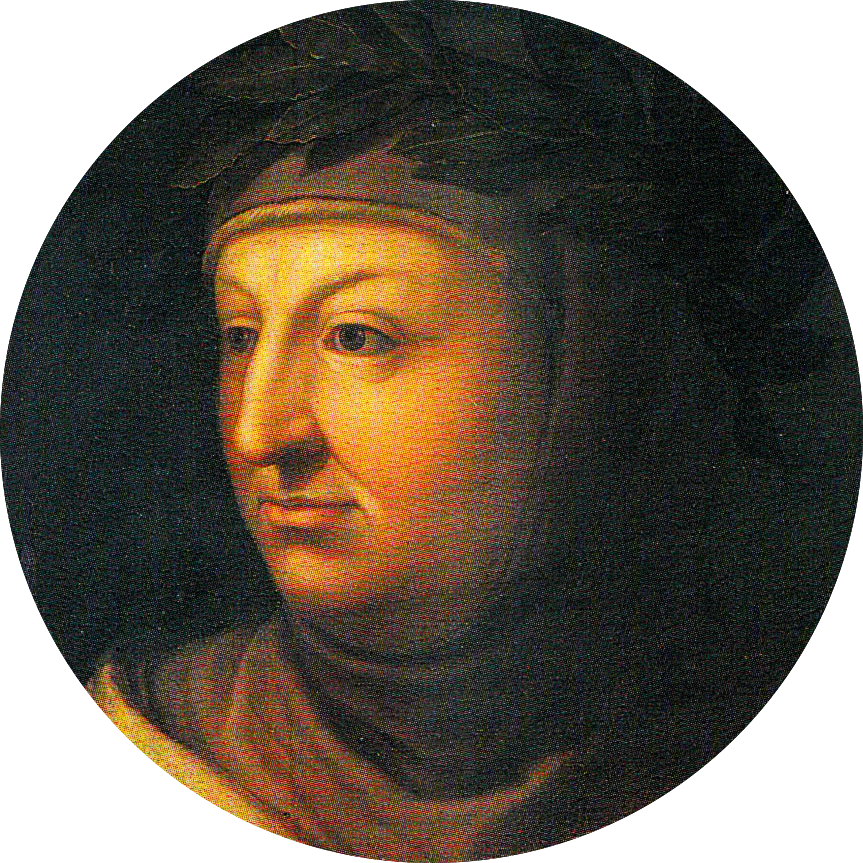
Written between 1348 and 1353, Bocaccio's Decameron comprises one hundred short stories. The last story appears to be the most significant.
Gualtieri and the peasant woman Griselda
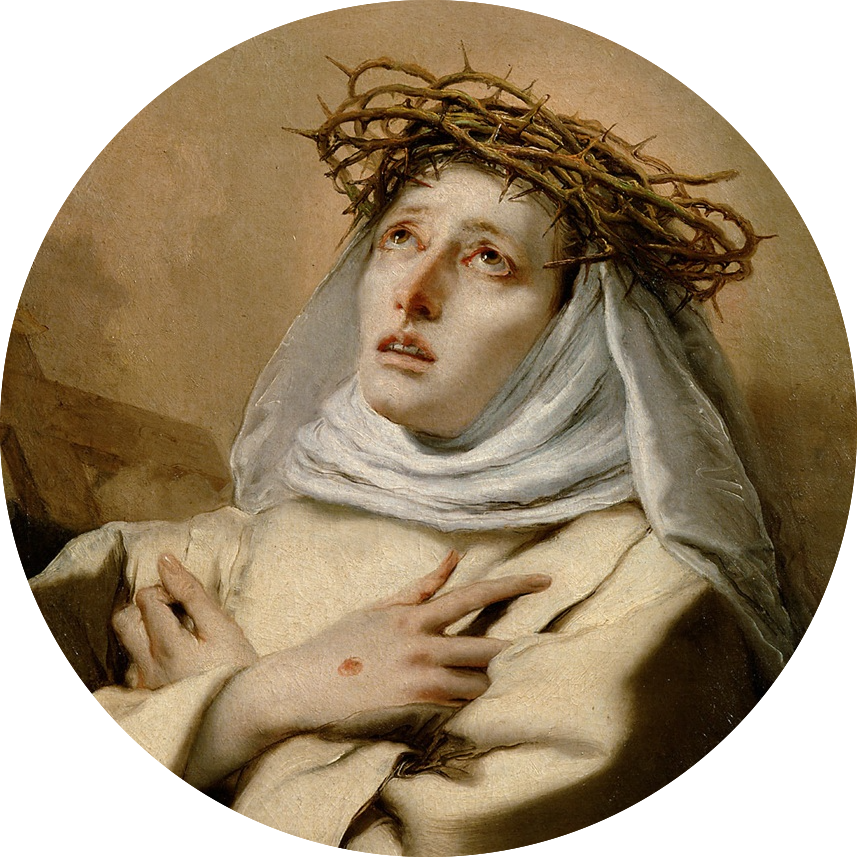
A collection of letters written in the name of 'Gesù Cristo crocifisso e di Maria dolce' by a 'serva e schiava dei servi di Gesù Cristo' writing 'nel prezioso sangue suo. Gesù dolce, Gesù amore.'
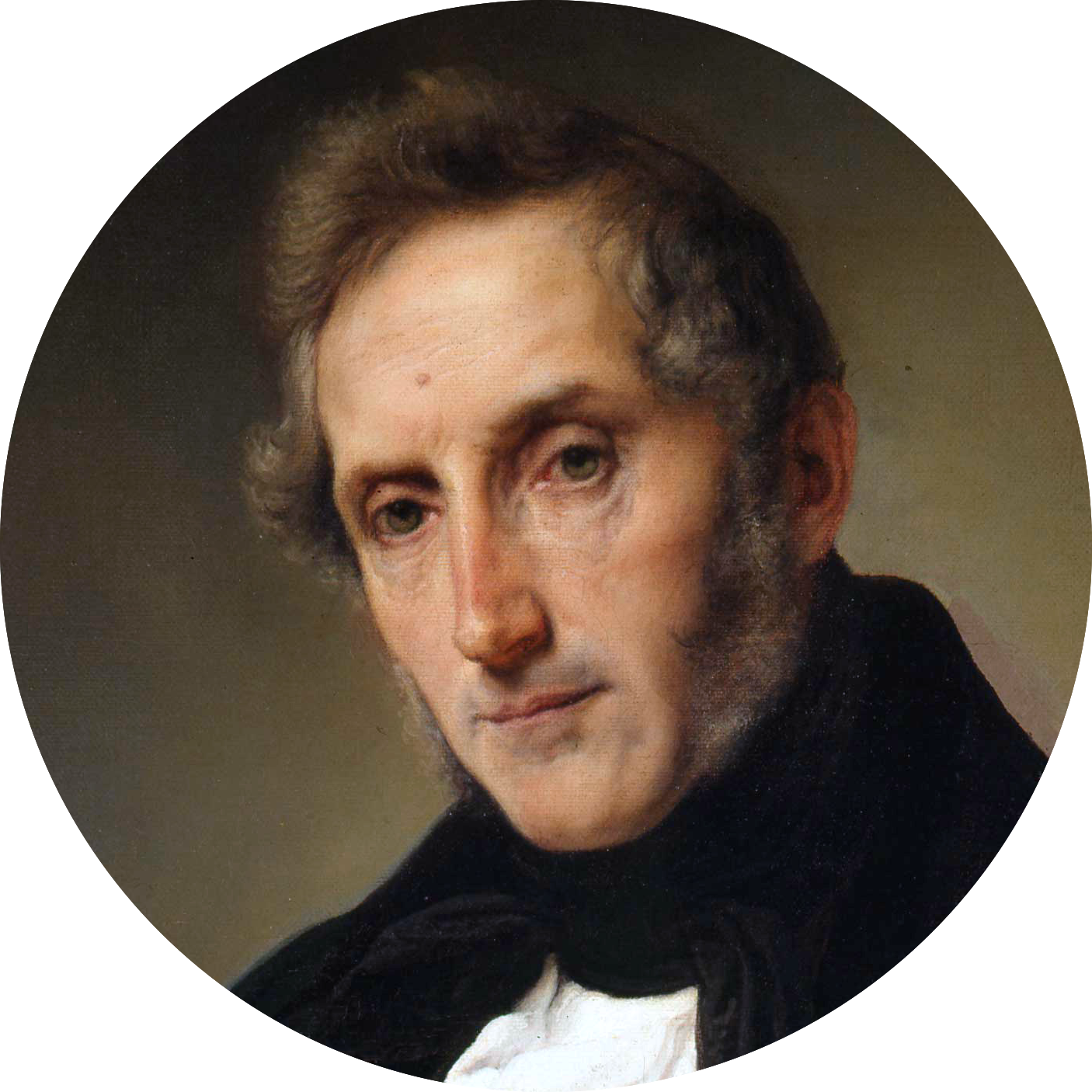
A historical novel about 17th century peasants who survive the tide of history by developing buon senso and trusting in divine providence.
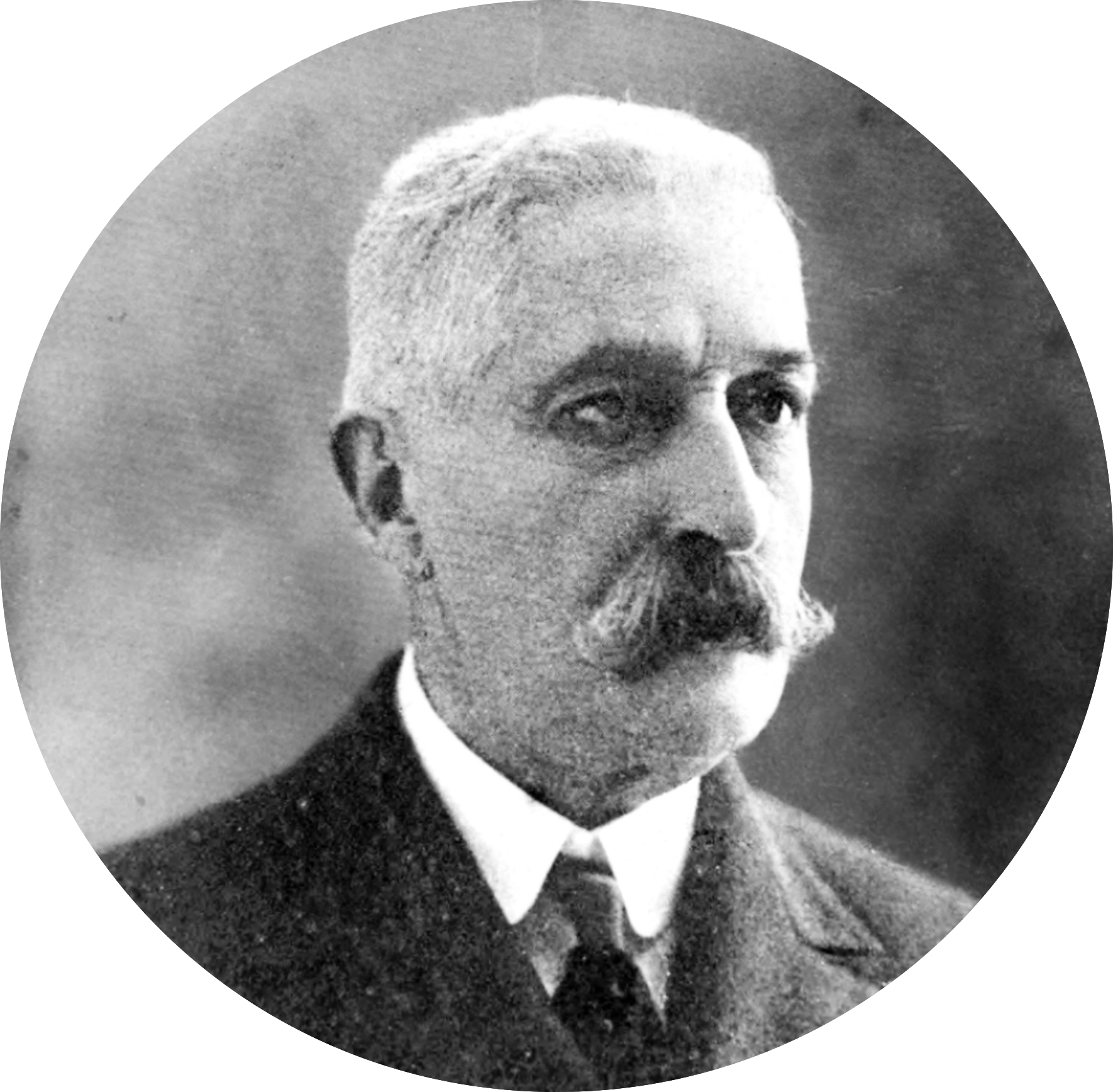
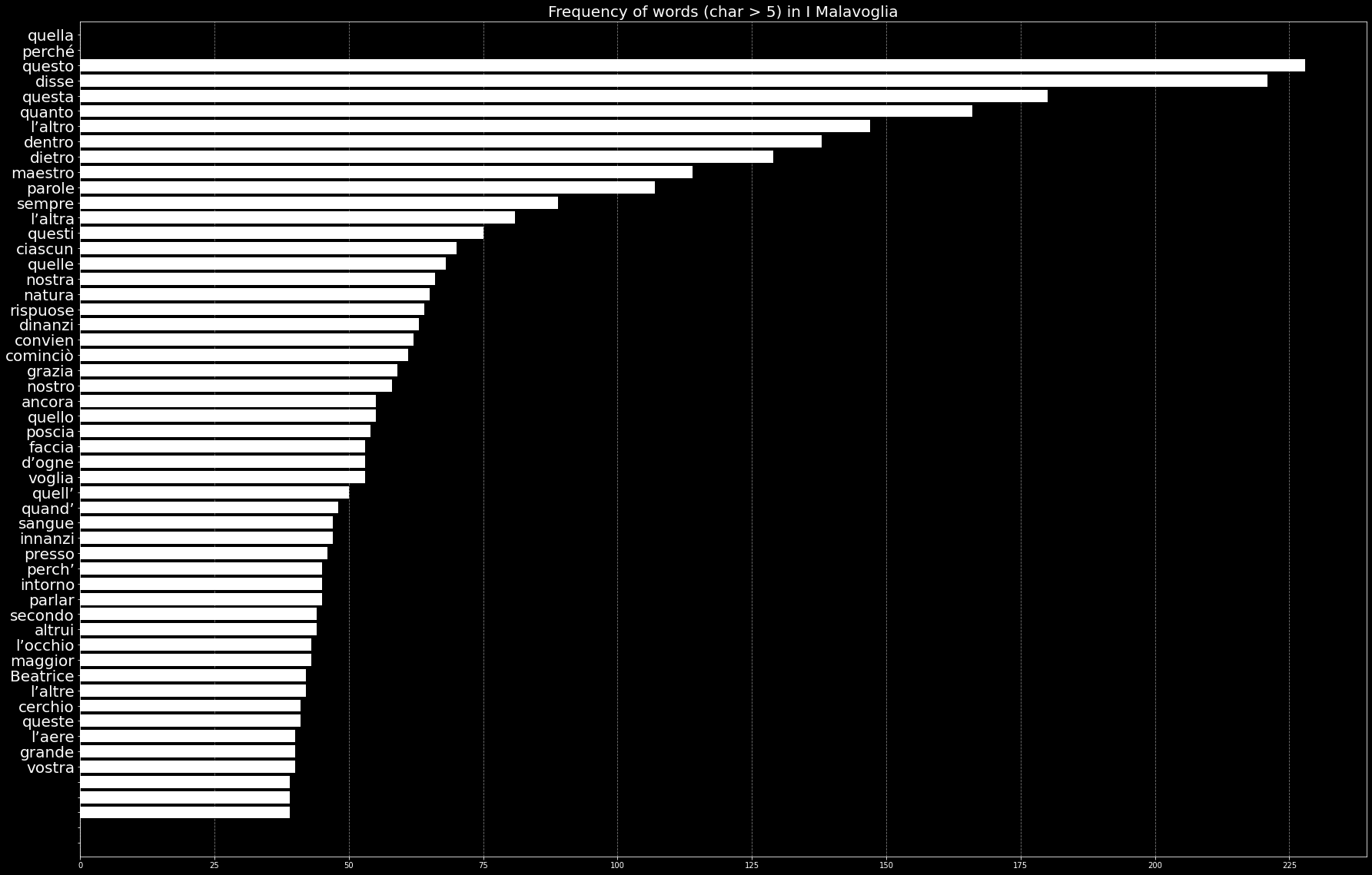
Verga writes about writing I Malavoglia in a 1875 letter. The novel is published in 1881.
Time period: 1860-1875

A Decadent aristocratic love affair in a decadent Rome interweaving lyricism and references to English Romanticism.
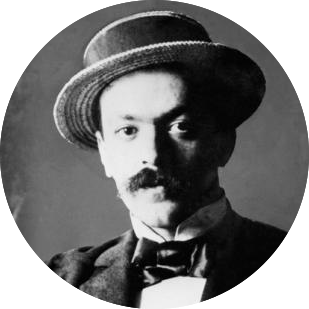
Zeno Cosini fails to quit smoking, accidentally murders his father, and marries a woman he finds unattractive.

Gramsci argues for an alliance between Italy's Northern factory workers and Southern peasants in the wake of the 1918 rivolta contro il capitale.

A biographical account of the Holocaust by a chemist drawing on humanist culture to filter his experience.

The Enlightenment through the story of an aristocrat who spends his life in the trees surrounding the ficitonal Ligurian town of Ombrosa.

The death throes of Sicily's aristocracy from the solipsistic perspective of the last leopard.
Time period: 1860-1910

Two interweaving stories of a father and a daughter victimized by Italian colonialism in Somalia.